
RBF 2.0
Linking results to better care.
Results-Based Financing has demonstrated that the way health systems finance performance can influence how services are delivered. But the next generation of RBF needs to go further. RBF 2.0 is about making the connection between financing, performance, data and health outcomes faster, more transparent and more useful to the people running and delivering health services

The challenge
Why do we need RBF 2.0?
RBF 2.0 moves beyond simply asking whether a target was achieved. It asks a bigger question - How can financing become a practical mechanism for helping health systems continuously improve? Each pillar reinforces the others and together they create a health system that continuously improves itself.
Reliable information
Decision-makers need timely, reliable information about what is happening in the facility. When data is fragmented, outdated or incomplete, it becomes harder to identify gaps and act on them. Making the right information available at the right time helps facilities respond faster, supports evidence-based decisions and provides the foundation for verification, financing and continuous improvement.

Verified performance
Performance-based financing depends on confidence that reported results.
Responsive financing
Funds should follow verified performance, reaching facilities timely.
Better care for more people
The ultimate purpose of RBF 2.0 is better care for more people.
Reliable information
Decision-makers need timely, reliable information about what is happening in the facility. When data is fragmented, outdated or incomplete, it becomes harder to identify gaps and act on them. Making the right information available at the right time helps facilities respond faster, supports evidence-based decisions and provides the foundation for verification, financing and continuous improvement.
Each pillar reinforces the others. Together, they create a health system that continuously improves itself.
Guiding principles
Built on what works!
Country ownership - Designed with governments. Built into health systems.
RBF 2.0 is designed around national priorities, institutions and systems, not as a parallel programme imposed from outside. Governments lead the design and implementation, building ownership and strengthening the capacity to manage and improve performance over time.
Data-driven decisions - Turn data into decisions, not just reports.
Reliable, verified performance data gives decision-makers a clearer picture of what is happening at facility level. Financing and management decisions can then be grounded in evidence rather than assumptions, delays or incomplete information.
Equity by design
RBF 2.0 can incorporate equity into the way financing is designed, using appropriate weighting mechanisms and incentives to recognise the additional challenges faced by underserved communities, remote facilities and hard-to-reach populations.
Continuous learning
The ultimate purpose of RBF 2.0 is better care for more people. Reliable information helps identify gaps, verification builds confidence in results, and responsive financing enables facilities to act. Together, they create a continuous cycle of improvement, helping health systems respond to problems earlier, strengthen service delivery and turn better information and financing into better health outcomes.
Transparent accountability
When payments are linked to independently verified results, the relationship between performance, financing and accountability becomes clearer. Governments and partners can see what was achieved, what was financed and where further improvement is needed.
Sustainable by design
Sustainability starts with local ownership. RBF 2.0 strengthens the technical, institutional and financial capabilities needed to manage performance-based financing within national health systems, helping countries build approaches that can evolve individual programmes or external funding cycles.
RBF in practice
What does this mean when care is actually delivered?
RBF 2.0 is not just about collecting more data but creating a functioning connection between care, performance, verification and accurate results, so that information generated where care is delivered can lead to better decisions, stronger performance and improved outcomes.

A mother at risk
A pregnant woman develops a complication that requires timely attention. Identifying the risk early and ensuring she receives the right care can make a critical difference.

Delivering the right care, every time
Health workers deliver appropriate, timely care through referral treatment and follow-up.
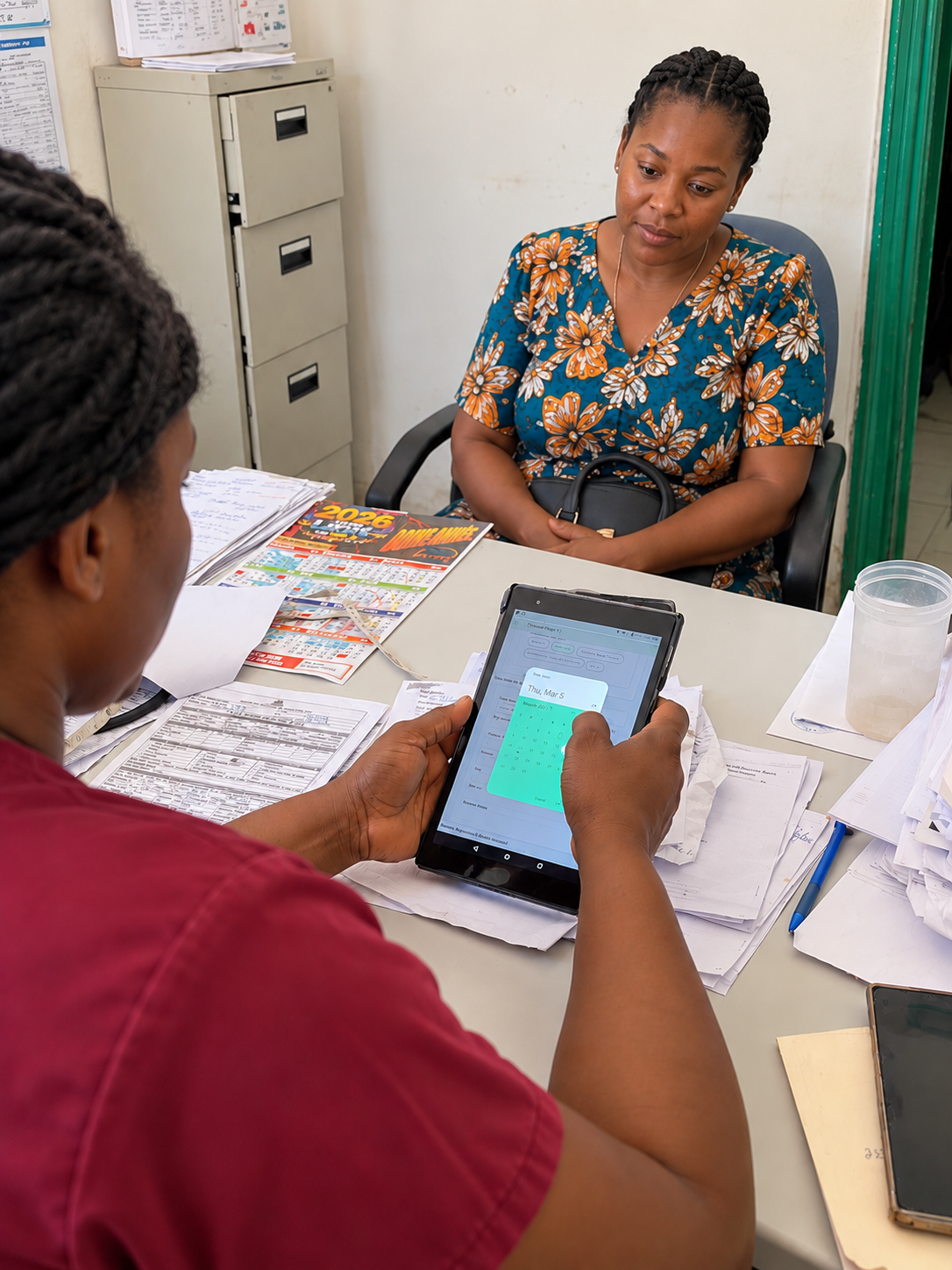
Turning care into data
Digital tools reliably capture care delivered data.
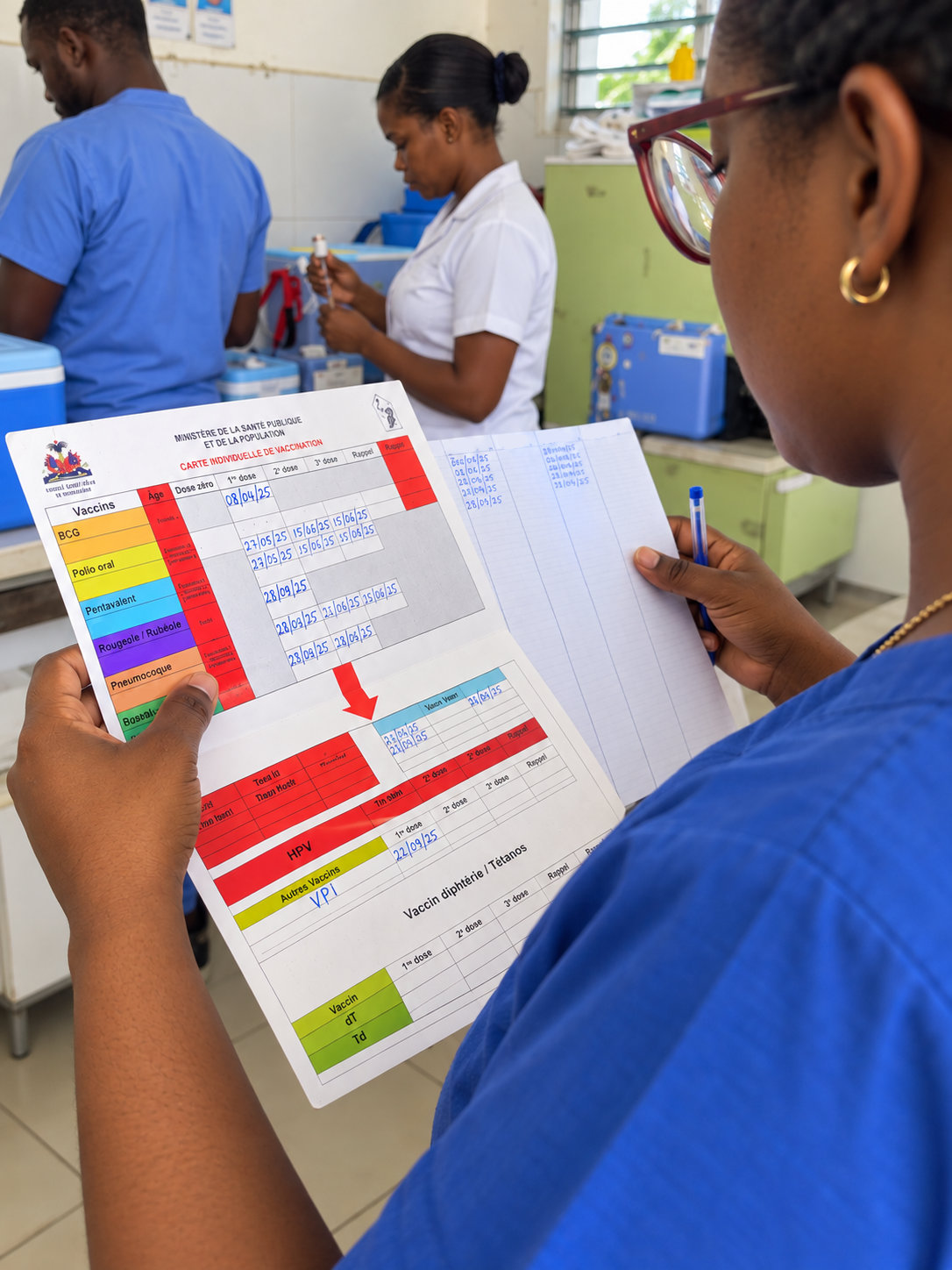
Results verified
Results verified Reported data is checked against standards to ensure accuracy.
Get started
Ready to transform your health system?
Talk to our team about adapting RBF 2.0 to your country's context.