
Article
RBF Funding is reaching clinics, but is it reaching high-risk pregnant women who need it most?
RBF 2.0 uses digital tracking and targeted incentives to identify high-risk pregnancies, improve care quality, verify services, and reward healthcare workers.
By Results-Based Financing
Shifo Foundation
4 min read
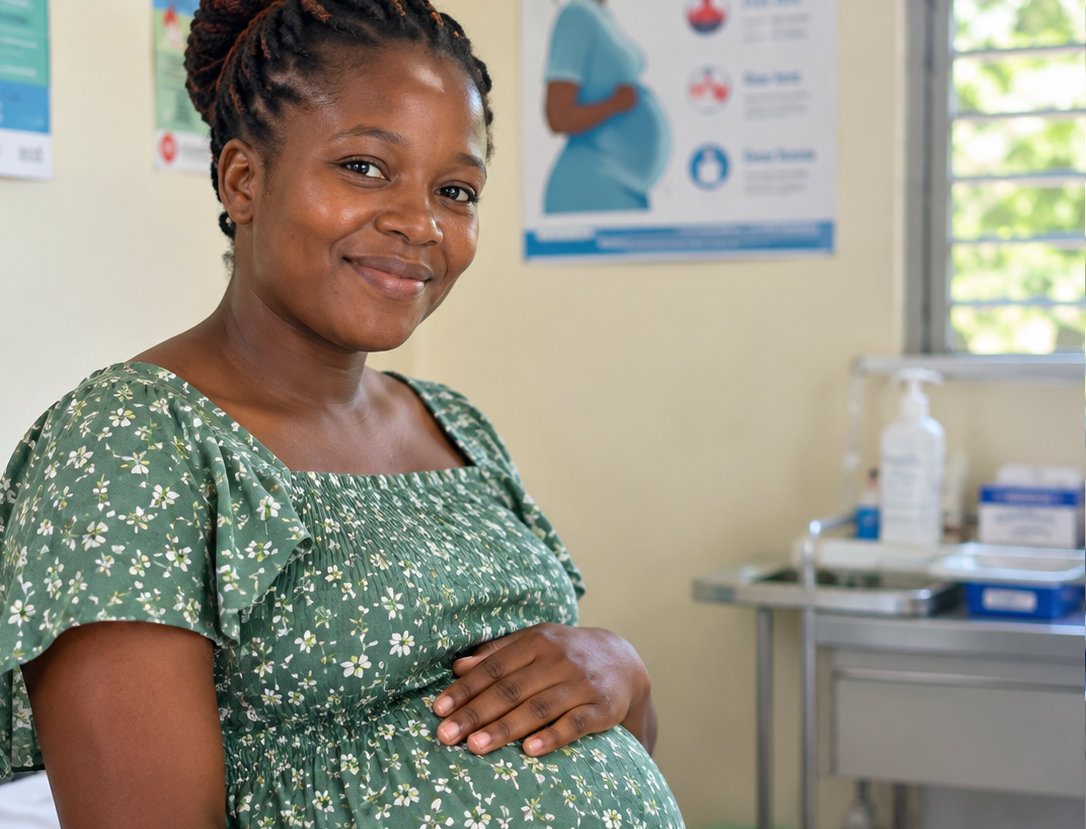
For every woman, pregnancy can be one of the happiest yet most vulnerable moments of her life, one where love, support and timely care become her pillars of strength. For some, this journey can be tougher than for others. The reasons can be many: a woman’s age, her lifestyle, pre-existing health conditions, fetal conditions, the number of pregnancies she has had in the past, and obstetric factors, to name a few.
For such women, the pregnancy journey becomes less about giving birth and more about survival, especially when helping hands don’t reach them on time.
Where maternal funding falls short
In many countries, especially low-income ones, helping hands do arrive in the form of funding. But ensuring that these women receive the care they need is not simply a question of putting money into maternal healthcare, but rather about making sure the money is directed towards the right care at the right time.
For instance, funding in the form of performance-based incentives for maternal healthcare has been rolled out in many low-income countries. These incentives generally reward clinics for a variety of indicators, including antenatal care visits, skilled facility deliveries, obstetric emergencies and postnatal care. On the surface, this seems like a step in the right direction. But here’s the catch: while such programmes significantly encourage pregnant women to visit clinics, many of those who receive medical care and go on to have successful deliveries fall into the low-risk category.
As a result, high-risk pregnant women can remain in the dark, as these incentives aren’t designed to specifically distinguish between women visiting clinics for routine pregnancy check-ups and those experiencing life-threatening complications who require closer monitoring and specialised care.
Linking performance to better maternal healthcare
For high-risk pregnant women to truly benefit from these incentives, they need to be accurately identified, and the quality of their care and follow-up visits need to be tracked. This is where RBF 2.0 comes into the picture. As an advanced version of the traditional results-based financing model, RBF 2.0 uses extensive digitisation and automation to integrate patient records directly into the system. It also uses measurable key performance indicators (KPIs) to support the early identification of high-risk pregnancies, often by tracking the presence of specific risk factors. These include the age of the pregnant mother, pre-existing conditions such as diabetes or hypertension, previous obstetric history such as pre-eclampsia or stillbirth, current pregnancy complications such as anaemia or bleeding, infections such as malaria or tuberculosis, and fetal conditions such as abnormal heart rate or congenital abnormalities.
Pregnant women who exhibit these risk factors require specialised, high-quality medical care. To offer this level of care, health workers need to put in a considerable amount of time and effort. In this case, health worker motivation also becomes important. RBF 2.0 offers a targeted approach by linking funding to measurable aspects of high-risk pregnancy care. Through specific KPIs, it accurately measures the quality of care provided as well as regular follow-up visits. There is a defined target for each KPI. When health workers meet a performance target successfully, they qualify for incentives.
Strengthening accountability
To ensure that the services recorded have actually been delivered, RBF 2.0 incorporates a multi-layered automated verification process, which also includes fraud detection. An AI-powered calling system is used to contact each high-risk pregnant woman to confirm the services she received at the clinic. Patient biometric data is then cross-verified to confirm her attendance at the clinic.
One of the biggest strengths of RBF 2.0 is that it leaves little room for errors. Unlike the traditional RBF model, where occasional slip-ups in reported services may be common and difficult to verify, RBF 2.0 uses automated fraud detection to ensure that any inaccuracies or inconsistencies detected in clinic records result in automatic penalties. For example, if a high-risk pregnant woman’s record shows that she was treated and cared for at a clinic, but, when contacted, she says she never visited the clinic or received any treatment, the discrepancy is flagged as fraud and the clinic is automatically penalised. This ensures that funding isn’t disbursed to clinics solely on the basis of reported services, but only after those services are thoroughly verified.
Once the services have been validated, invoices and supporting documents are automatically generated and electronically signed before moving through the approval process. After approval, funding is disbursed to clinics, where a portion of it is utilised for purchasing essential healthcare equipment and supporting infrastructure development, while the remaining funds are provided to health workers as incentives on a fixed date each month.
Moreover, as KPIs are target-based, RBF 2.0 allows health workers to be rewarded based on how well they meet their individual goals. This means that when they go above and beyond to support high-risk pregnant women, they are recognised for their additional efforts through higher incentives. As a result, health workers are motivated to consistently meet the needs of the women in their care.
The way forward
In the long run, RBF 2.0 ensures that funding doesn’t just reach clinics but is directed towards the care of high-risk pregnant women who need it the most. As a result, these women will receive prompt, high-quality medical care, while the health workers who care for them are fairly rewarded. Ultimately, this creates a predictable funding cycle that incentivises quality care, giving every woman in low-income countries a better chance to experience the joys of motherhood.
About the author
Results-Based Financing
Shifo Foundation
Shifo Foundation's Results-Based Financing team works with governments to make performance-linked health financing accurate, timely and transparent.
LinkedInWant to discuss this with Shifo?
Get in touch with our team to talk about Results-Based Financing in your context.
Get in touch